teaching philosophy + diversity statement
diversity statement + philosophy:
As an art educator we are given the opportunity to facilitate and encourage diversity, understanding and empathy through teaching children the ways that they can process, see and experience the world. Everything from the language we use and the art history we reference to the type of tools our room is equipped with, it is our responsibility to ensure that students leave the classroom feeling heard, respected and empowered to become independent thinkers. This is my commitment to my current and future students and the backbone upon which rests my ever growing teaching philosophy.
The ways I intend to maintain these commitments are intertwined into every aspect of my teaching philosophy. Regarding learning environment and material, I plan on working diligently to equip my students with the adaptive tools that will best facilitate making. I will use and incorporate language and translation methods to help every student be able to understand the lesson. I will maintain a UDL classroom in which students are allowed and encouraged to express themselves while learning how art can be a tool to regulate emotion. When teaching art history I will curate a canon that sees each student represented and reflected back to themselves. I believe in responding to children’s interests and hobbies in order to create an environment of engagement. And in doing so, my classroom will be a space where children can feel safe to be themselves.
I believe that an education is intended to provide children with the resources, skills, and knowledge that will help prepare them for life as successful adults. As art teachers we teach more than how to paint and sculpt. We teach students to be inventive, engaged, confident, emotional and creative beings and the only way to execute this is to promise as educators to always grow, to learn, to research and to commit to the wellbeing of your students.
Maine State Learning Standards
Below are examples of how my teaching practice hits Maine State Learning Standard. Examples shown 1, 2 & 3
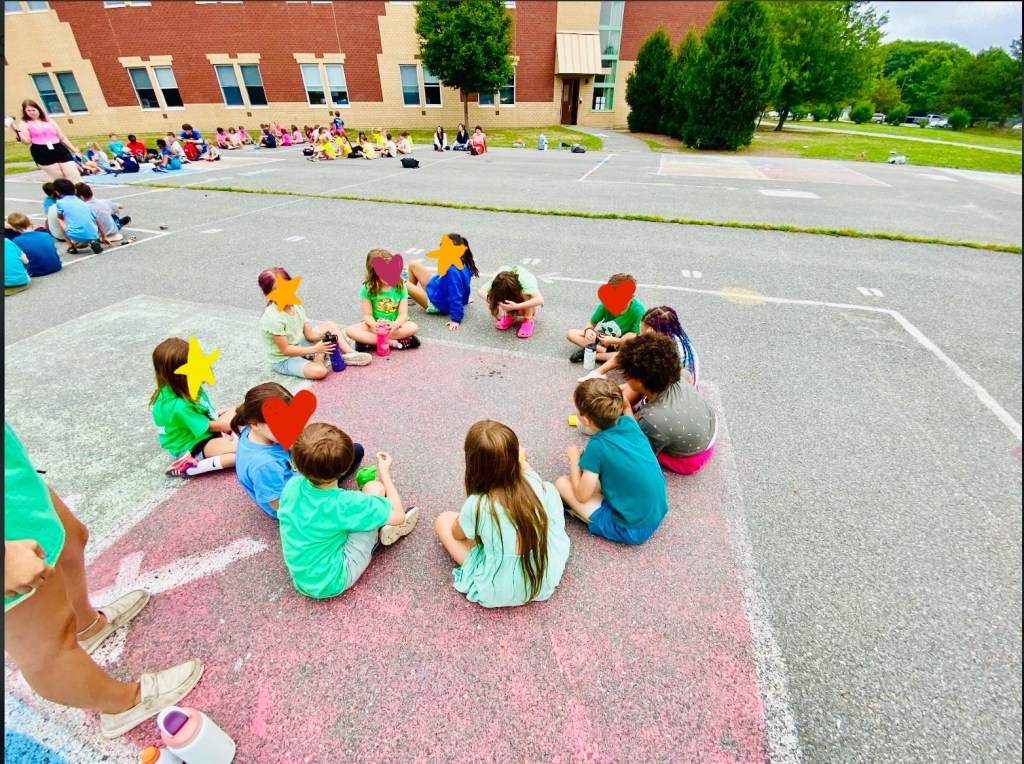
Maine State Standard #1 references learning development and the importance of building your lessons around the stages at which your students are learning. My time at Franklin Elementary School working with grades K-5 helped me learn how to shift expectations and objectives to fit their developmental stage. We adjusted lessons to fit a wide range of abilities, engagement and interest levels. This adjustment should focus on and cover everything from the physical environment to materials.
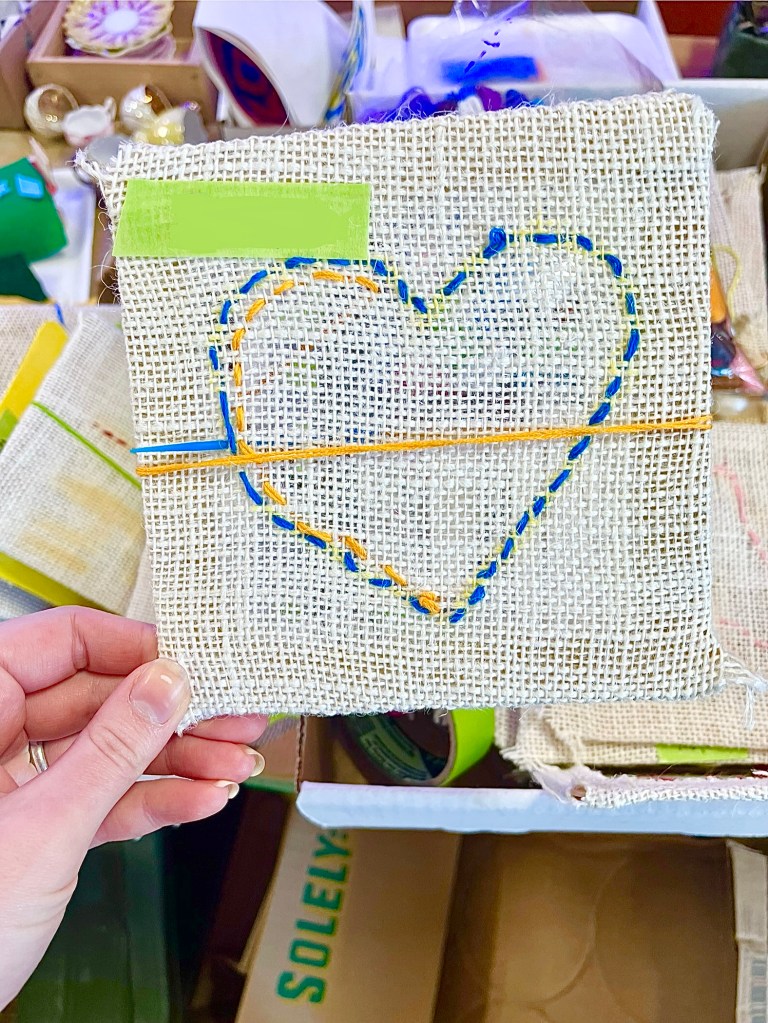
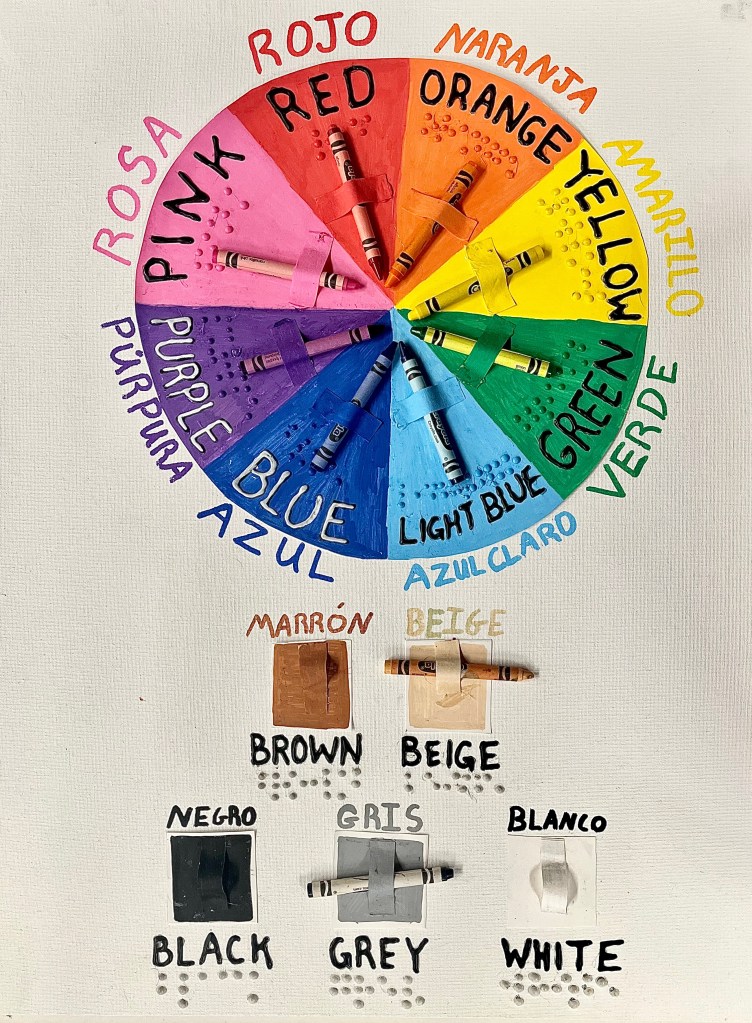
Maine State Standard #2 which is focused on children with learning differences, emphasizes the ways teachers adapt their lessons to best foster an effective curriculum. With my peer Zane Feyler we came up with a tool for students with vision impairment. We used the book Adaptive Art as our guide and included details like high contrast colors, braille, raised letters and removable crayons.
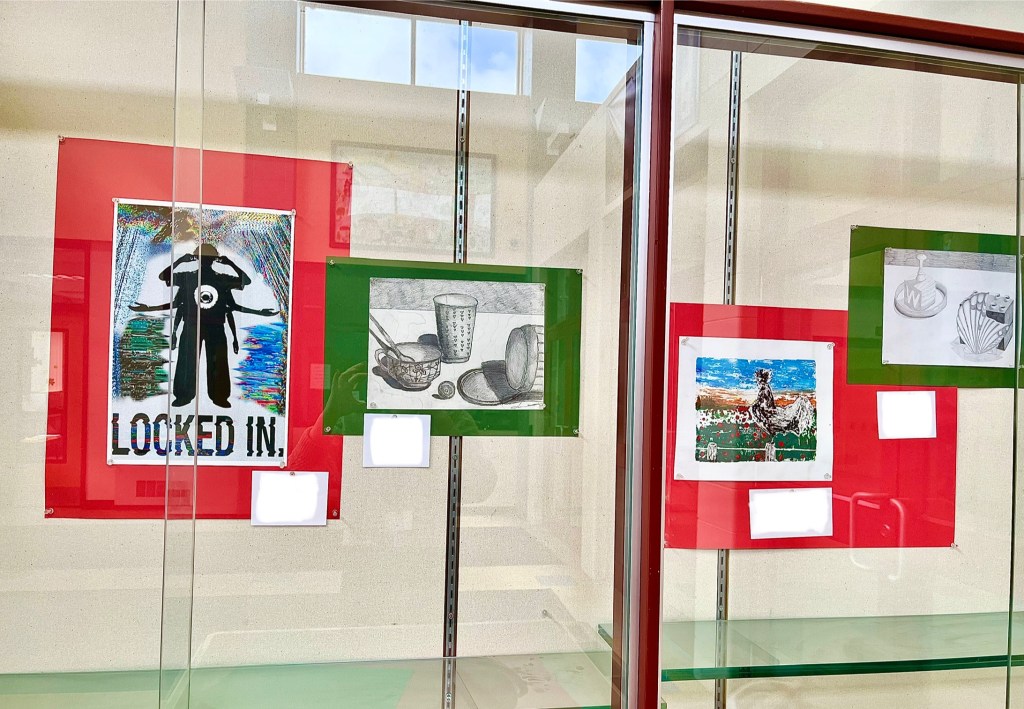
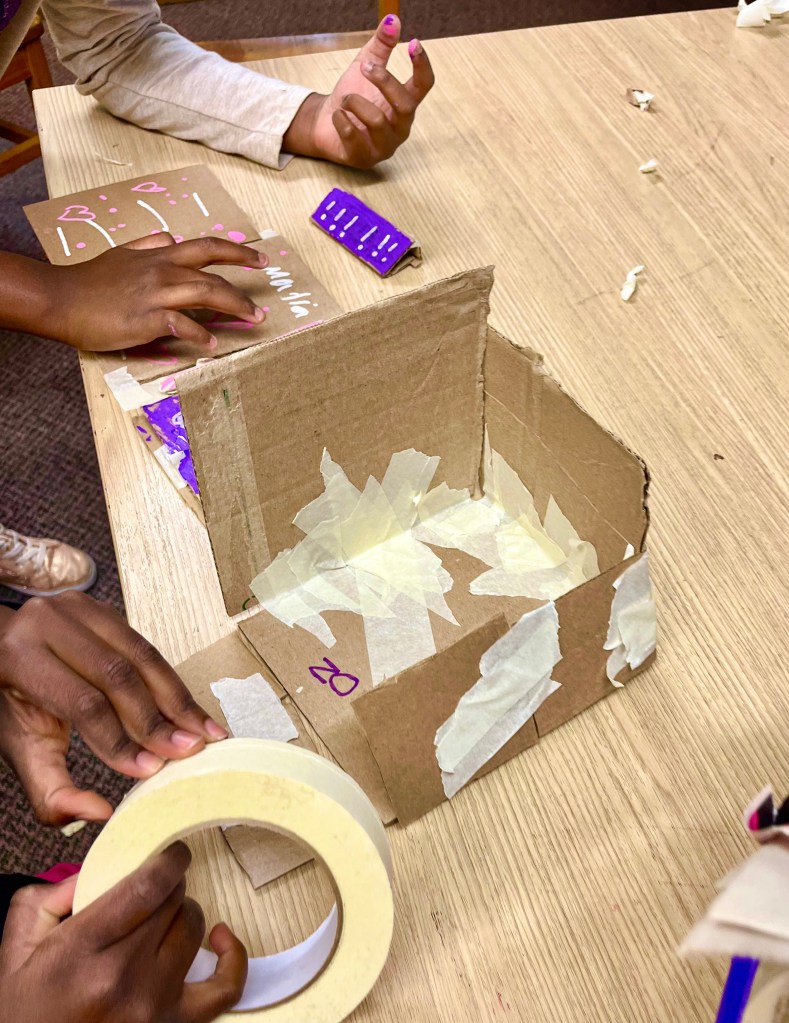
As Maine State Standard #3 communicates the classroom environment is crucial to facilitating learning. I believe that displaying student work and validating their interests will help students achieve the levels of confidence required to create work that they are proud of.
elementary school lessons
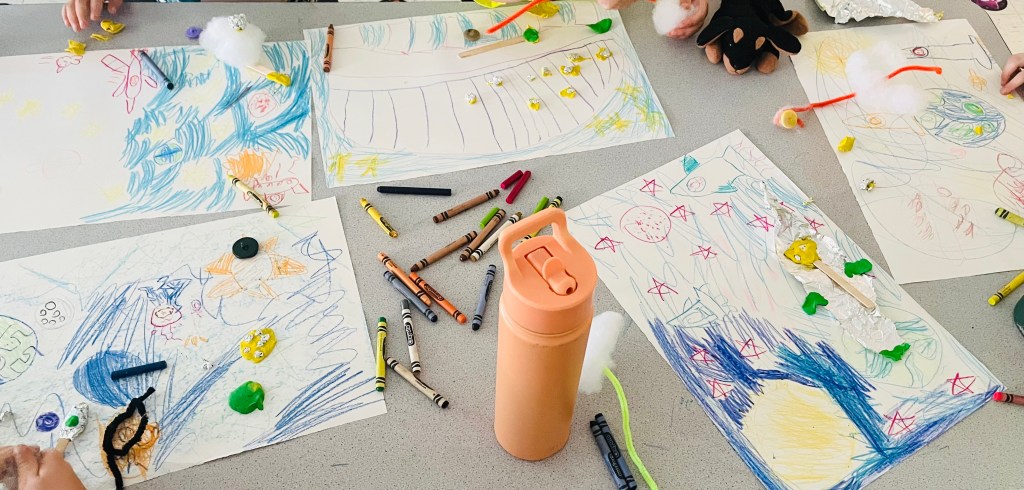
Invent-your-own-robot:
Kindergarten, 1st Grade or 2nd Grade
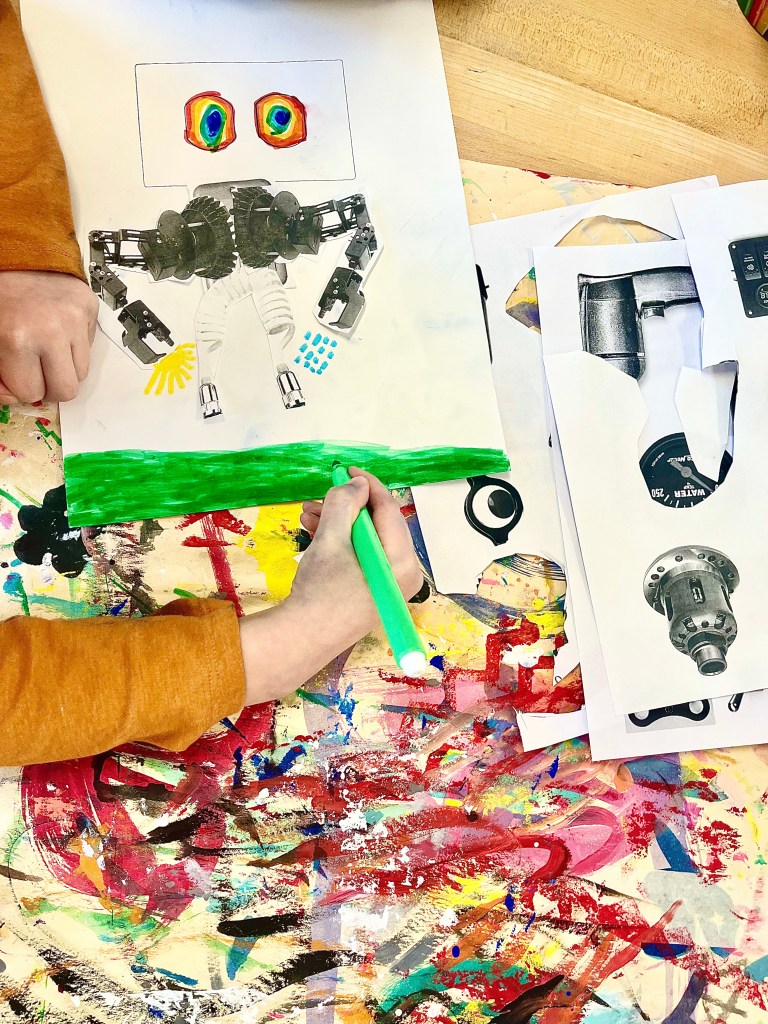
For one day’s lesson, students practiced basic cutting, glueing, and composition skills while imagining and inventing a robot that could do chores, clean rooms, play games, make rainbows or anything else they could dream up! Students exercise ideation skills and use vocabulary to describe their choices and creation!
Embroidering rainbows:
Adaptive Art class (ages K-2nd)
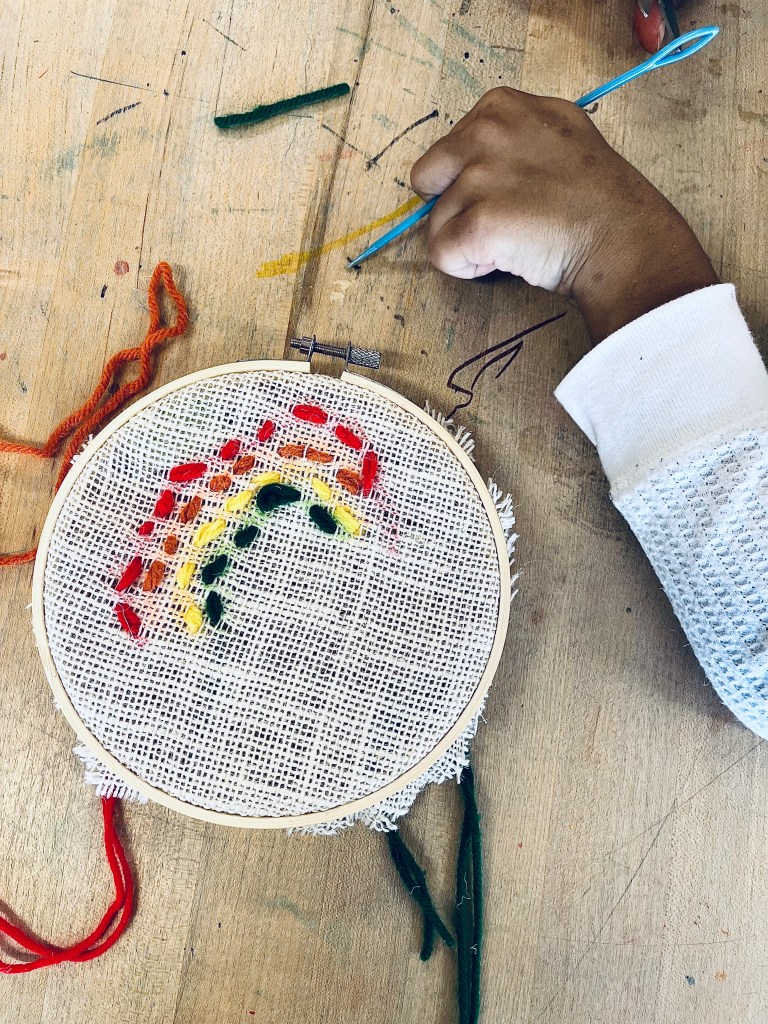
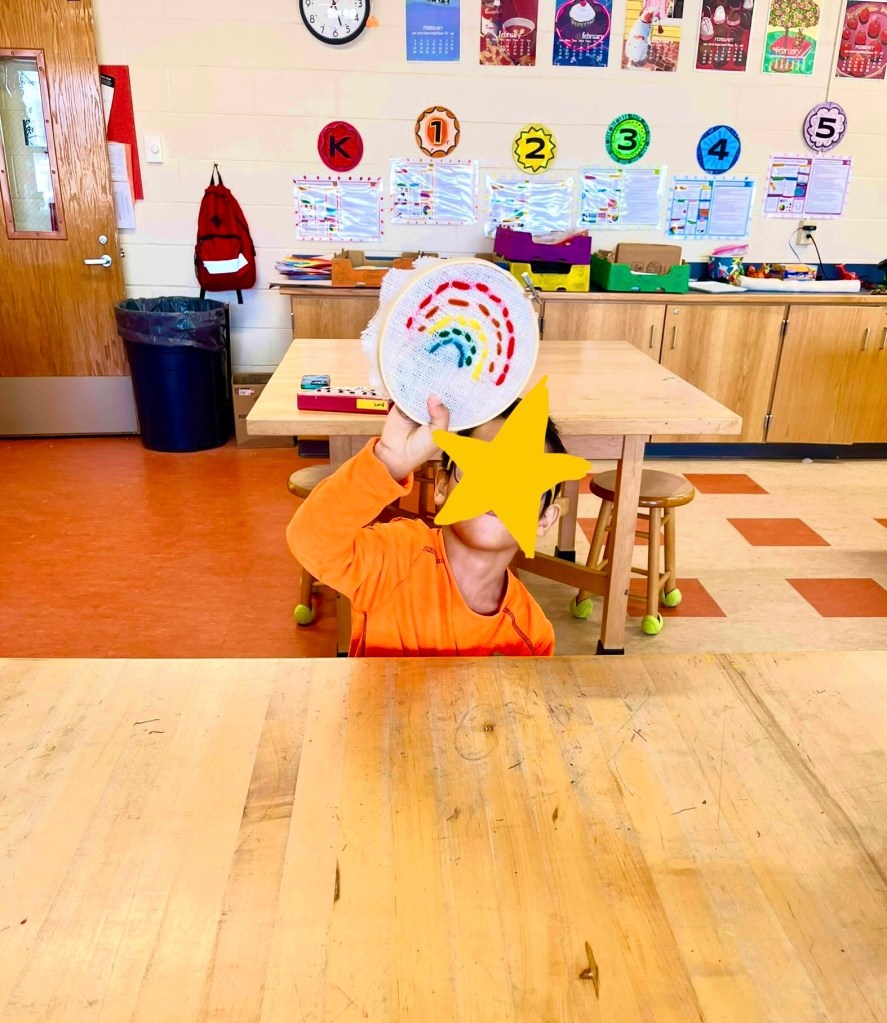
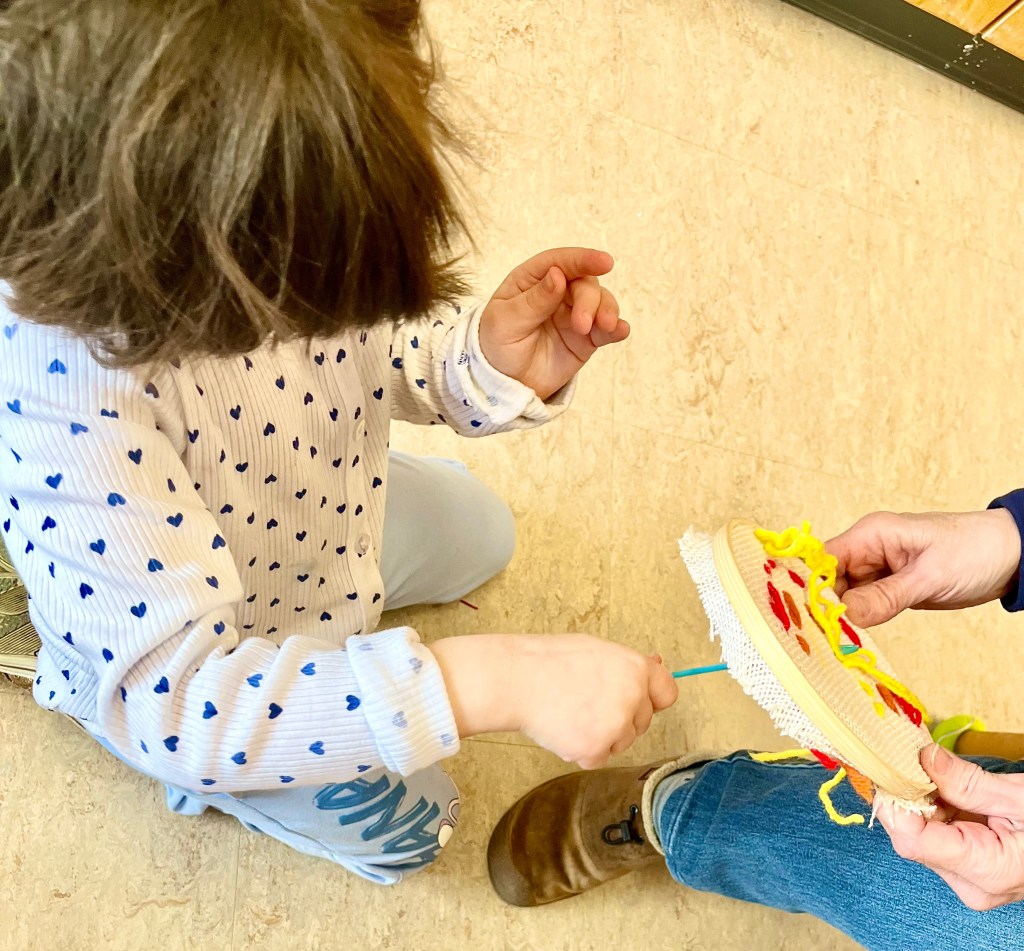
Adaptive art class is run for students who need extra support with fine motor skills. When leading the adaptive art students in a sewing lesson we made certain accommodations like large plastic needles and thick pieces of yarn. The students responded enthusiastically to the repetitive motion and physicality of the project.
middle school lessons
Make-a-Magnet:
6th and 7th Graders
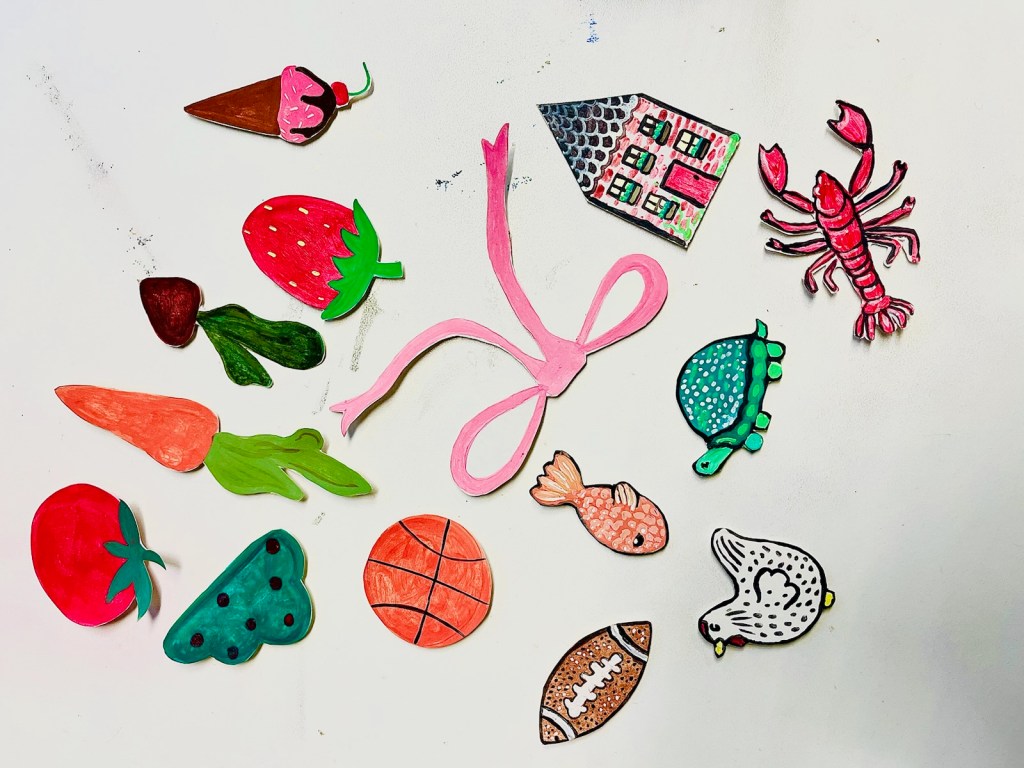
Fellow MAT candidate Ella-Mae Spinali and I collaborated to teach a painting lesson to middle school students. Using vocabulary like “adornment” and “decoration” we planned, sketched, designed, painted and constructed magnets to decorate student lockers! Students were encouraged to work within a theme and create a collection of magnets that represent that theme, whether it be their personality, their interests or even a favorite movie or game.
high school lessons
Expressive Self-portraits:
Art II, grades 10, 11, & 12
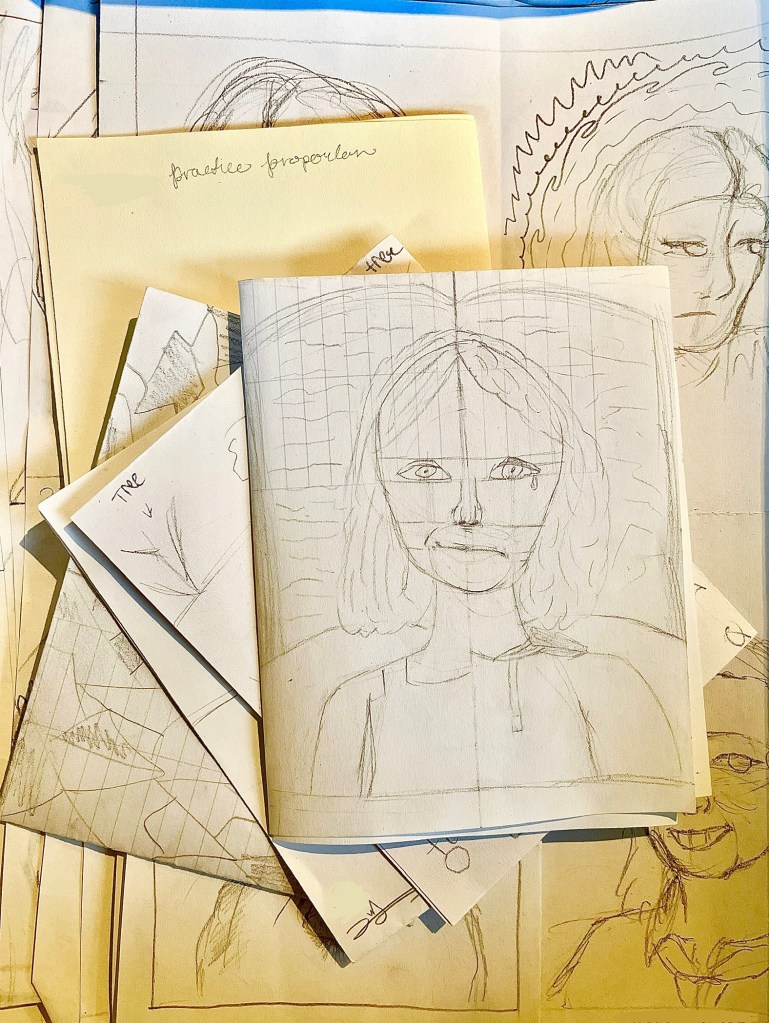
Students learn proportion and painting skills by planning and executing a self portrait with expressive colors, marks and gestures to communicate a feeling, mood or their personality. Students start with a thumbnail sketch and then move on to a to-scale drawing where they practice proportion before moving on to expressive mark making with acrylic paint on canvas.
student work
diversity statement + philosophy:
As an art educator we are given the opportunity to facilitate and encourage diversity, understanding and empathy through teaching children the ways that they can process, see and experience the world. Everything from the language we use and the art history we reference to the type of tools our room is equipped with, it is our responsibility to ensure that students leave the classroom feeling heard, respected and empowered to become independent thinkers. This is my commitment to my current and future students and the backbone upon which rests my ever growing teaching philosophy.
The ways I intend to maintain these commitments are intertwined into every aspect of my teaching philosophy. Regarding learning environment and material, I plan on working diligently to equip my students with the adaptive tools that will best facilitate making. I will use and incorporate language and translation methods to help every student be able to understand the lesson. I will maintain a UDL classroom in which students are allowed and encouraged to express themselves while learning how art can be a tool to regulate emotion. When teaching art history I will curate a canon that sees each student represented and reflected back to themselves. I believe in responding to children’s interests and hobbies in order to create an environment of engagement. And in doing so, my classroom will be a space where children can feel safe to be themselves.
I believe that an education is intended to provide children with the resources, skills, and knowledge that will help prepare them for life as successful adults. As art teachers we teach more than how to paint and sculpt. We teach students to be inventive, engaged, confident, emotional and creative beings and the only way to execute this is to promise as educators to always grow, to learn, to research and to commit to the wellbeing of your students.
Below are examples of how my teaching practice hits Maine State Learning Standard. Examples shown 1, 2 & 3
Maine State Standard #1 references learning development and the importance of building your lessons around the stages at which your students are learning. My time at Franklin Elementary School working with grades K-5 helped me learn how to shift expectations and objectives to fit their developmental stage. We adjusted lessons to fit a wide range of abilities, engagement and interest levels. This adjustment should focus on and cover everything from the physical environment to materials.
Maine State Standard #2 which is focused on children with learning differences, emphasizes the ways teachers adapt their lessons to best foster an effective curriculum. With my peer Zane Feyler we came up with a tool for students with vision impairment. We used the book Adaptive Art as our guide and included details like high contrast colors, braille, raised letters and removable crayons.
As Maine State Standard #3 communicates the classroom environment is crucial to facilitating learning. I believe that displaying student work and validating their interests will help students achieve the levels of confidence required to create work that they are proud of.
Invent-your-own-robot:
Kindergarten, 1st Grade or 2nd Grade
For one day’s lesson, students practiced basic cutting, glueing, and composition skills while imagining and inventing a robot that could do chores, clean rooms, play games, make rainbows or anything else they could dream up! Students exercise ideation skills and use vocabulary to describe their choices and creation!
Embroidering rainbows:
Adaptive Art class (ages K-2nd)
Adaptive art class is run for students who need extra support with fine motor skills. When leading the adaptive art students in a sewing lesson we made certain accommodations like large plastic needles and thick pieces of yarn. The students responded enthusiastically to the repetitive motion and physicality of the project.
Make-a-Magnet:
6th and 7th Graders
Fellow MAT candidate Ella-Mae Spinali and I collaborated to teach a painting lesson to middle school students. Using vocabulary like “adornment” and “decoration” we planned, sketched, designed, painted and constructed magnets to decorate student lockers! Students were encouraged to work within a theme and create a collection of magnets that represent that theme, whether it be their personality, their interests or even a favorite movie or game.
Expressive Self-portraits:
Art II, grades 10, 11, & 12
Students learn proportion and painting skills by planning and executing a self portrait with expressive colors, marks and gestures to communicate a feeling, mood or their personality. Students start with a thumbnail sketch and then move on to a to-scale drawing where they practice proportion before moving on to expressive mark making with acrylic paint on canvas.

